


California Can Adopt Tire Efficiency Standards to Lower Drivers’ Fuel Costs
Twenty-three years ago, California lawmakers enacted a bill ordering the California Energy Commission (CEC) to set energy efficiency standards for replacement tires. On Monday, August 17, the CEC may finally get the job done.
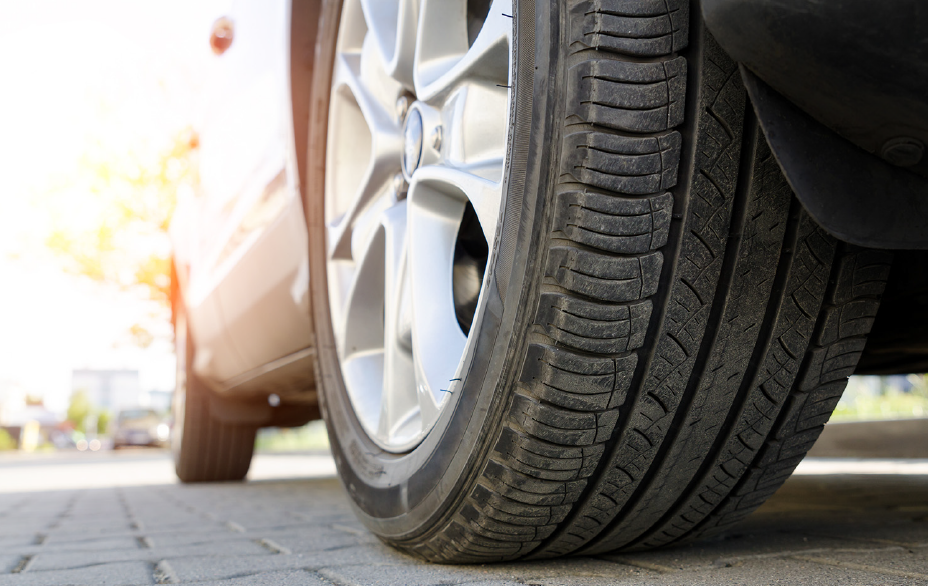
While tires on new cars are generally efficient—because automakers need to meet vehicle fuel economy standards—replacement tires purchased later in the life of the vehicle are a different story. There have been no rules governing their efficiency, and little way for consumers to know how efficient the tires they buy are. As a result, a car owner who replaces original tires usually uses more gas than they previously did (or more electricity, for EVs) to drive each mile.
That has a cost. It’s the cost of paying for more gas or electricity. And it’s the cost of more climate-warming and health-harming pollution.
The standards, if adopted when considered in the Commission’s Monday business meeting, would fix that. They would ensure that replacement tires sold are at least as efficient as the average tires used on a new car.
California drivers would save about $180 in fuel costs over the lifetime of a set of replacement tires. And once the standards have been in place for several years, they would reduce greenhouse gas emissions each year by an amount equivalent to removing about 400,000 gas vehicles from the roads.
This has been a long process, with the CEC taking multiple rounds of comment and modifying its plan in response to comments from tire manufacturers and others. The agency has addressed a host of concerns. It has used exemptions to ensure that motorsports tires and other specialty types remain on the market. It has shown that efficiency does not affect tire longevity and has even included a wet-grip standard that will improve safety by removing the lowest-performing models from the market.
The commissioners have a well-vetted proposal before them, one that will improve affordability and help protect the climate and environment. They should get the job done and adopt it.